
15 November 2026
Who benefits from transnational education
What Wei Liu's review of global student and scholar mobility means for universities designing transnational education partnerships and student routes.
4 December 2025 marked an inspiring start to the inaugural CONNECT: UK–China Transnational Education Symposium, bringing together over 70 colleagues from the UK and China to discuss the realities, challenges, and future opportunities of transnational education through a practitioner-centred lens.
Day 1 showcased a powerful blend of strategic insight, grounded professional practice, and open dialogue across borders. The symposium opened with warm remarks from Dr Mark Edwards (TNE Institute), who set the tone for a gathering rooted in collaboration, reflective exchange, and strengthening UK–China TNE through shared experience.
Professor Tao Chen, Associate Vice-President (International) at the University of Surrey, delivered an insightful keynote titled: “The Future of UK–China TNE: Why It Matters and How We Can Grow It Through Intercultural Intelligence.”
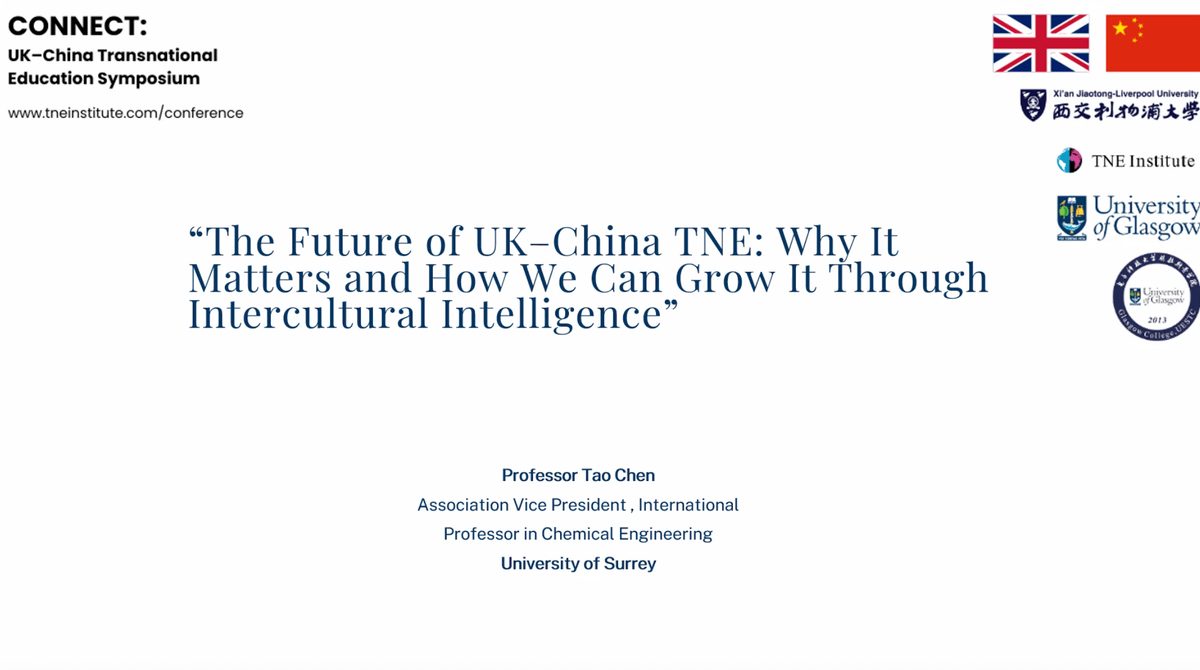
Professor Chen highlighted:
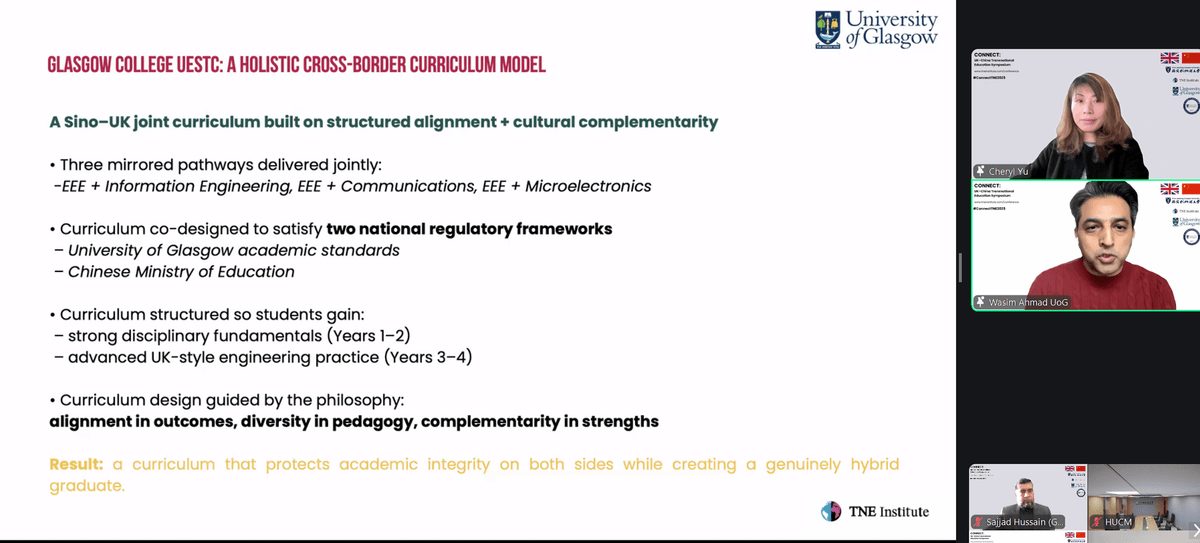
Dr Wasim Ahmad (University of Glasgow) and Dr Cheryl Yu (TNE Institute) presented a rich case study of the Glasgow–UESTC model, grounded in the deeper philosophical and educational differences between the UK and China. They illustrated:
Their session demonstrated how careful curriculum architecture can produce genuinely hybrid graduates who thrive across both contexts.
by Dr Fabrizio Trifirò (Education World Forum, THE) unpacked the global challenges and enhancement of TNE quality assurance:
Growing diversity of TNE model: Persistent gaps and overlaps across QA systems; Different national interpretations of “quality”; The need for trust, transparency, and shared expectations
He emphasised shifting from basic compliance toward continuous enhancement, especially within increasingly complex cross-border ecosystems.
Chaired by Rebecca Wakelin (XJTLU), the panel brought together practitioners with deep cross-border experience:
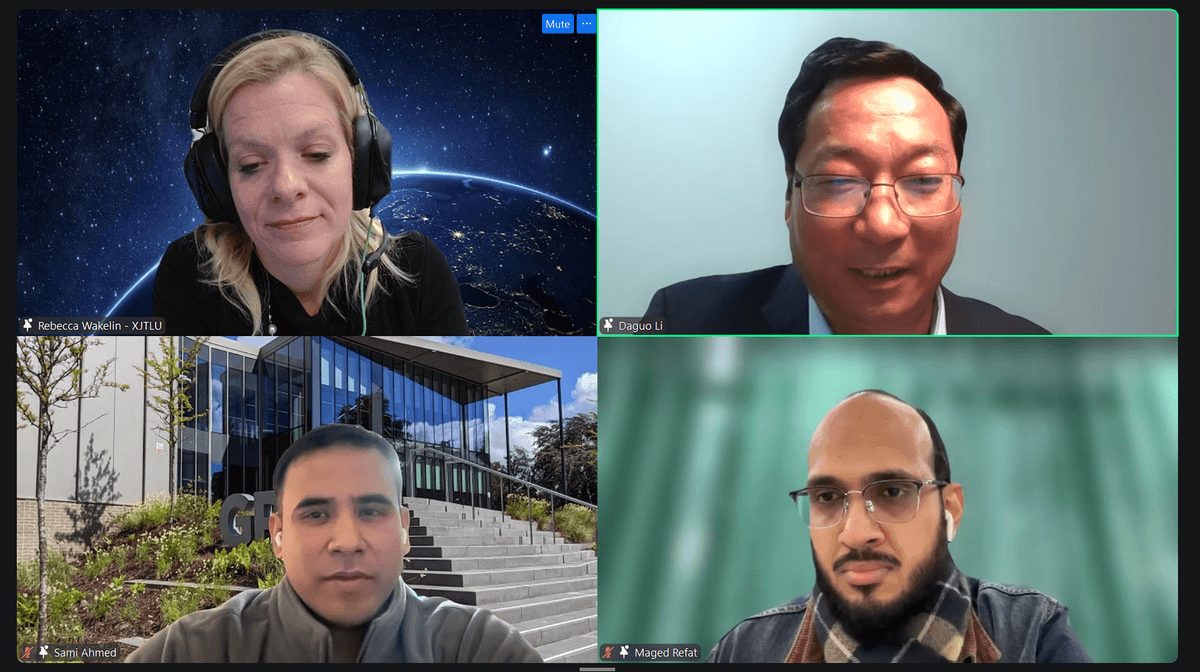
Key themes explored included:
In the spirit of CONNECT, the practice-sharing sessions were designed to create a true platform for dialogue, enabling colleagues to exchange ideas, share challenges, and present practical approaches emerging from UK and China campuses.
Each thematic breakout room was facilitated by sector experts:
These sessions embodied the symposium’s mission: to elevate practitioner voices, foster peer learning, and strengthen a cross-border professional community where expertise is shared—not siloed.
We had some of these fundamental questions and debates raised by colleagues on ‘what is the essence of quality assurance that we use widely as a sector’ and ‘why QA from one country to another’. At the same time, colleagues also discussed the sense of belonging for staff working on TNE, working for both employers, but sometimes feel neither; the same for students. ‘We need to support staff who support TNE . ‘
Day 1 demonstrated the power of community, co-creation, and practitioner-led insight in shaping the future of UK–China TNE.
From visionary keynotes to grounded practice, one message stood out:
TNE thrives when we create spaces for dialogue, listen deeply to each other, and build together across borders.
We look forward to another day of rich discussion and sector-wide collaboration in Day 2.
What Wei Liu's review of global student and scholar mobility means for universities designing transnational education partnerships and student routes.
Notes from a discussion on TNE delivery in China on 13 October 2026: shared ownership, clear responsibilities and joint curriculum and assessment planning.
As of 31 May 2026 China's Ministry of Education lists 392 approved Sino-foreign cooperative education institutions. What the numbers mean for UK universities.