30 March 2026
TNE and the SDGs: why quality must mean more than compliance
Viewing transnational education through the Sustainable Development Goals: why TNE quality must mean equity, relevance and sustainability, not only compliance.
News and insights on transnational education: articles, reports, interviews and country analysis from the TNE Institute and its community.
Viewing transnational education through the Sustainable Development Goals: why TNE quality must mean equity, relevance and sustainability, not only compliance.
Why Internationalisation at Home and transnational education should not be treated as separate activities, and why TNE belongs in the definition.
Jiayi Wang's research argues that TNE should be understood as an ecosystem of people, institutions and relationships, not a simple export of programmes.
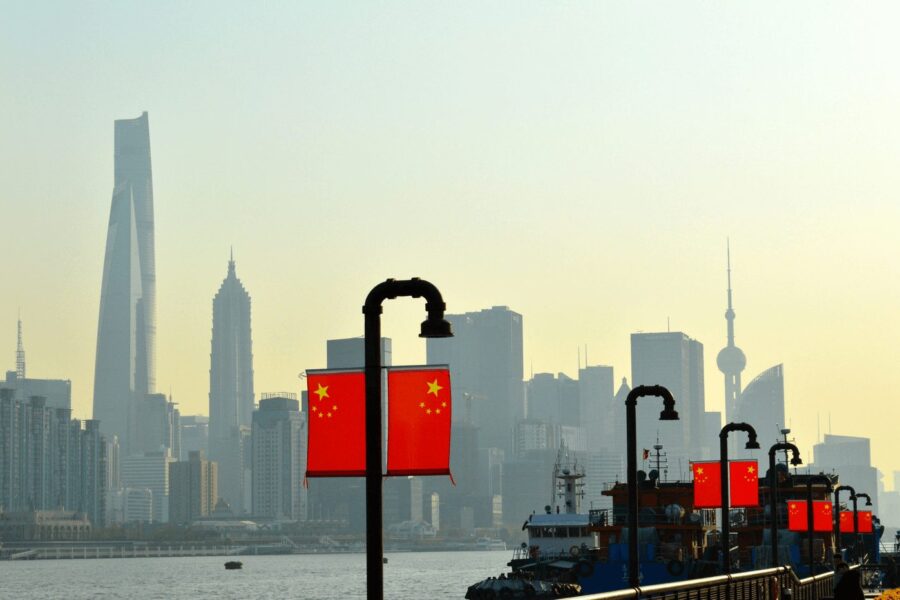
University rankings have dominated Chinese students' study-abroad choices for a decade. Is the market shifting, and can recruitment move beyond rankings?
Guest blog by Dr Stella Huili Si on how China's state-steered model of transnational higher education evolved, how it is governed and why it matters.
Day 2 of the inaugural CONNECT UK-China TNE Symposium, December 2025: governance, AI, curriculum innovation, student belonging and industry collaboration.
Day 1 highlights of the inaugural CONNECT UK-China Transnational Education Symposium, where over 70 colleagues discussed TNE through a practitioner lens.
Dr Cheryl Yu and Dr Mark Edwards on how UK universities are embedding TNE and branch campuses in their operations, moving from duplication to integration.
Dr Jiayi Wang's research on intercultural challenges in TNE partnerships and the Triple-A Framework, an evidence-based model for strengthening them.
What a TNE Operational Manual is for, who reads it, and how institutions can turn it from a compliance document into a living tool for collaboration.
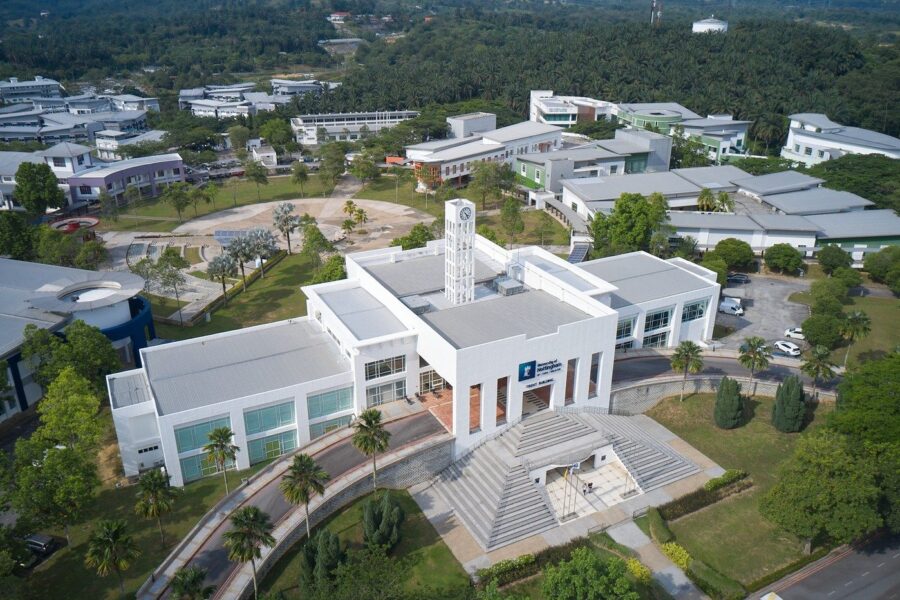
Professor Christine Ennew reflects on setting up the University of Nottingham's Malaysia campus 25 years ago, and the lessons for branch campuses today.
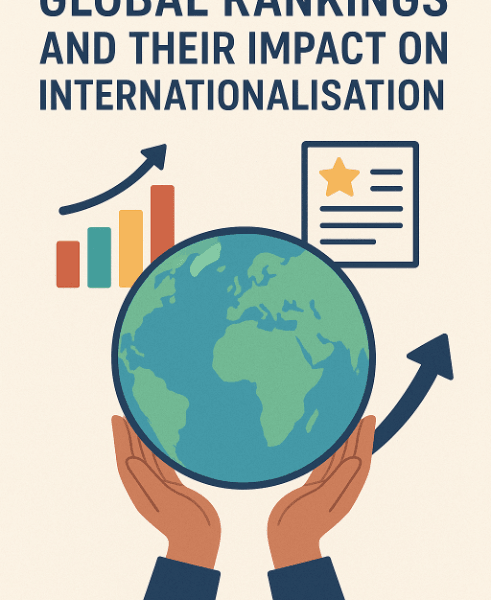
Chapter abstract: how global university rankings shape internationalisation strategies, and the resource, ethical and Global South imbalances they create.